


Picture of the Day
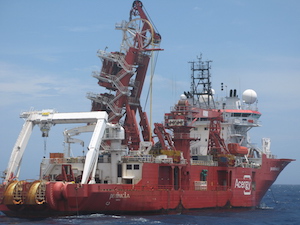
Here is the Pertinacia which was to become the Seven Phoenix, originally a conventional cable layer but now one of those very unusual flexible lay ships. This one was built in 2002 and so has the tower on the side of the ship and one assumes that when it is laying a flexible it moves sideways. Amongst the technical info there is the ballast capacity of the vessel which is 5,800 m3, probably needed to offset the tower. Later versions of this ship type have the towers on the centre line. Still amazing. The internet tells us that this craft is currently laid up.
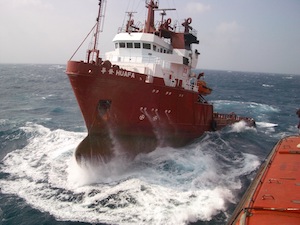
The Huafa is a UT708 built in Norway many years ago. The type was briefly a follow-up to the UT704, similar but more powerful, having 1200 bhp available and with more extensive accommodation. The UT704 had been extremely spartan. It seems that I am trawling through my records these days for old stuff to entertain my visitors, since we are still in lockdown due to the corona virus, in most of the world, and the oil industry is once more gasping for breath. It takes me back to 1985 when my employers were sacking some of us almost monthy and then calling us back when our ships got a bit more work.
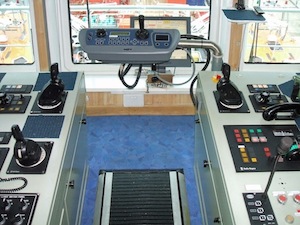
I wrote this short article for the newsletter back in 2013 after an MAIB annual report had been published.
The UK MAIB (Marine Accident Investigation Bureau) has recent resurrected the unfortunate accident of the Skandi Foula, in its second 2013 digest, and in addition the industry has identified a couple of other incidents where collisions resulted from mechanical failure. All of them in one way or another seemed to be related to lack of familiarity with aspects of the ship’s mechanical systems.